Source Waterproof PE Cotton Stadium Mat for Hiking, Home, Sports
Compare 30 listings for Waterproof PE Cotton Stadium Mat suitable for hiking, home furniture, and sports applications. Buyers can evaluate features like waterproofing, foldability, and material composition to find the right supplier for their needs.
Key considerations
Products List

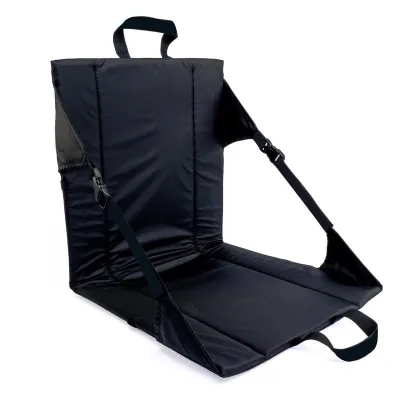

Heavy Duty HDPE Anti-Slip Weather Resistant Stadium Event Turf Protection Mat
$10.80 - $12.80
MOQ: 300 Square Meters

Portable Outdoor Flooring Turf Protection Mat Temporary Tent Floor Stadium Event Floor
$21.00 - $23.00
MOQ: 500 Square Meters

$36.00 - $40.00
MOQ: 500 Square Meters

Durable Reusable High Strength Non-Slip Sports Field Turf Protection Mat
$10.80 - $12.80
MOQ: 300 Square Meters

Outdoor Event Flooring Turf Protection Floor Lawn Protection Mats
$36.00 - $40.00
MOQ: 500 Square Meters


China Heavy Duty Waterproof Pitch Cover /Football Pitch Cover PE Tarpaulin Sheet
$0.12 - $1.00
MOQ: 5000 Square Meters


Comprehensive Sourcing Guide
Strategic Sourcing Guide for Waterproof PE Cotton Stadium Mats
Procuring specialized flooring solutions for stadium environments requires a meticulous approach to balancing performance, durability, and cost. The core keyword "Waterproof PE Cotton Stadium Mat" suggests a product category that combines synthetic resilience with specific textile characteristics, often utilized in temporary or semi-permanent outdoor seating and event flooring. Buyers must navigate a complex landscape of material definitions, as the term "cotton" in this context may refer to a specific weave or a marketing descriptor for a fabric blend rather than pure natural fiber, especially when paired with "PE" (Polyethylene) and "waterproof" attributes. This guide provides a structured framework for evaluating potential suppliers and products, ensuring that procurement decisions are grounded in verifiable technical data and industry standards rather than marketing claims.
Understanding Material Composition and Structural Integrity
The foundation of any successful procurement strategy lies in a precise understanding of the material composition. In the context of stadium mats, the "PE" designation typically points to Polyethylene, a polymer known for its resistance to moisture, chemicals, and UV degradation. However, the inclusion of "cotton" in the product name necessitates clarification. In many B2B contexts, this may indicate a cotton-blend fabric cover or a specific texture designed to mimic natural fibers while retaining synthetic durability.
Based on observed market data, high-performance stadium mats often utilize Oxford cloth or similar heavy-duty synthetic fabrics as the primary cover material. For instance, specific product listings indicate the use of Oxford cloth for covers, which offers a robust barrier against water and wear. The core material may vary, with some products utilizing PP (Polypropylene) or foam layers to provide cushioning. A critical distinction must be made between the surface fabric and the core structure. If a product claims to be a "foam mattress" type, it likely features a high-density foam core, potentially with a thickness of around 10mm, designed to provide comfort for spectators or athletes.
Buyers should verify the specific layering of the product. A typical high-quality stadium mat might consist of a waterproof outer shell, a structural foam or PP core, and an anti-slip bottom layer. The "waterproof" attribute is non-negotiable for outdoor stadium applications, as it prevents water absorption that could lead to mold, mildew, or structural failure. The observed data suggests that products often carry multiple functional attributes, including being fireproof, wear-resistant, rot-proof, and moisture-proof. These features are not merely additive; they are interdependent. For example, a rot-proof material is essential for outdoor use, while a fireproof rating ensures compliance with safety regulations in crowded venues.
Technical Specifications and Performance Metrics
When evaluating potential suppliers, technical specifications must be scrutinized against the specific demands of the stadium environment. Dimensions are a primary factor. Stadium mats often come in modular sizes to facilitate easy installation and removal. Observed specifications include dimensions such as 38280.5cm for certain variants, while others may be larger, such as 91.622.63.53cm, indicating a range of product formats from small tiles to larger mats. The thickness is another critical metric; a thickness of 10mm is observed in some foam-based products, providing a balance between comfort and stability.
The weight of the product is equally important for logistics and handling. Lighter mats, such as those weighing 18g per unit, are easier to transport and deploy, whereas heavier tiles, like those weighing 1.98kg per tile, may offer superior stability and durability for high-traffic areas. The "Fold Size" is also a vital specification for storage and transport efficiency. Products that can be folded to dimensions like 19142.5cm offer significant advantages in logistics, allowing for compact shipping and storage when the mats are not in use.
Performance metrics extend beyond physical dimensions to include load capacity and surface treatment. Some high-end products boast a load capacity of up to 160 Tons/Sq.M, a figure that, while exceptional, indicates the potential for heavy-duty industrial or commercial use. The surface treatment, often described as "Simple Color," suggests a focus on uniformity and aesthetic consistency. The connection system, such as an interlocking design, is crucial for creating a seamless floor surface that prevents tripping hazards and ensures stability underfoot. Buyers must verify that the interlocking mechanism is robust enough to withstand the dynamic loads of a stadium environment without separating.
Compliance, Certification, and Safety Standards
Safety and compliance are paramount in stadium environments, where large crowds gather. The "waterproof" and "fireproof" attributes observed in product listings are not just functional benefits but often regulatory requirements. Buyers must demand specific documentation regarding fire ratings. Observed data mentions UL 94hb and UL 94V-2 as optional fire ratings. These are standard classifications for the flammability of plastic materials. The UL 94V-2 rating, in particular, indicates a higher level of flame resistance compared to the UL 94hb rating. Procurement teams should verify that the supplier can provide third-party test reports confirming these ratings for the specific batch of products being purchased.
In addition to fire safety, other certifications may be relevant depending on the region and the specific type of event. While specific standards like EN 10223 are mentioned in background data, buyers should not assume compliance without verification. Instead, they should request evidence of adherence to local and international safety standards for public assembly venues. This includes checking for anti-static properties, which are crucial in environments where electronic equipment or sensitive devices might be present. The observed attribute of "Anti-Static" suggests that some products are designed to mitigate static electricity buildup, a feature that can be critical in specific commercial or sports applications.
Furthermore, the "UV Resistance" attribute is essential for outdoor stadium mats. Prolonged exposure to sunlight can degrade many materials, leading to fading, cracking, or loss of structural integrity. Buyers should inquire about the specific UV stabilizers used in the manufacturing process and request data on the expected lifespan of the product under direct sunlight. The "Waterproof" claim must be backed by testing data, such as hydrostatic head ratings or water absorption tests, to ensure the product will perform reliably in rain or high-humidity conditions.
Cost Drivers and Pricing Dynamics
The pricing of waterproof PE cotton stadium mats is influenced by a complex array of factors, including material costs, manufacturing complexity, and order volume. The observed price range of 0.12 to 150 USD per unit indicates a vast disparity in product quality and specification. Lower-priced items may be basic, single-layer mats with minimal features, while higher-priced items likely incorporate advanced materials, multi-layer construction, and specialized certifications.
The Minimum Order Quantity (MOQ) is a significant cost driver. Observed MOQs range from 1 to 5000 units, with specific product lines requiring 300 Sq.M. for certain specialized mats. Buyers must align their order volume with the supplier's MOQ to avoid prohibitive per-unit costs. Customization is another key factor; products that accept customized logos or specific color matching often carry a premium. The "Customized" attribute observed in the data suggests that many suppliers offer tailored solutions, but this comes with additional setup costs and potentially longer lead times.
Packaging and logistics also impact the final cost. Products packaged in OPP bags or regular packages may have different shipping efficiencies. The "Fold Size" and "Single package size" are critical for calculating shipping volume and freight costs. Buyers should request detailed shipping quotes that include packaging dimensions and weight to accurately assess the total landed cost. Additionally, the "Warranty" period, often cited as 1 year for certain products, can influence the perceived value and long-term cost of ownership. A longer warranty may indicate higher confidence in product durability, potentially justifying a higher initial price.
Supplier Evaluation and Quality Assurance
Selecting the right supplier is as critical as selecting the right product. Buyers should prioritize suppliers who demonstrate transparency in their manufacturing processes and provide comprehensive product documentation. The "Place of Origin" is a relevant factor, with "Henan, China" and "China" appearing as common origins. While the location itself does not dictate quality, it can influence logistics, lead times, and communication. Buyers should verify the supplier's ability to meet specific lead times and their track record for on-time delivery.
Quality assurance protocols are essential to ensure consistency. Buyers should request samples before placing large orders to physically inspect the product for defects, verify the claimed attributes (such as waterproofing and fire resistance), and assess the overall build quality. The "Customized" nature of many products means that the final output must match the agreed-upon specifications exactly. Buyers should establish clear quality control checkpoints, including pre-production samples, in-process inspections, and final random inspections before shipment.
The "Logo" customization capability is a common requirement for stadium mats, often used for branding or event identification. Buyers should verify the supplier's capacity for high-quality logo application, ensuring that the printing or embossing process does not compromise the material's integrity or waterproofing. The "Pattern" attribute, such as "Puzzle," may also be a customization option that requires careful evaluation to ensure the interlocking mechanism functions correctly with the custom design.
Long-Term Procurement and Maintenance Considerations
Beyond the initial purchase, long-term procurement considerations are vital for stadium operators. The durability of the mats under repeated use and exposure to the elements is a key factor. The "General Use" category, often listed as "Home Furniture" or "Outdoor," provides a clue about the intended lifespan and application. However, stadium mats require a higher level of durability than typical home furniture. Buyers should assess the "Firmness" and "Hardness" attributes, which are listed as "Soft," "Medium," and "Hard" in different product variants. The optimal firmness depends on the specific use case; for example, a "Medium" firmness might be ideal for spectator seating, while a "Hard" surface might be better for high-traffic walkways.
Maintenance requirements should also be factored into the procurement decision. Waterproof and rot-proof mats are generally easier to clean and maintain than non-treated fabrics. However, buyers should inquire about recommended cleaning agents and procedures to ensure the longevity of the product. The "Foldable" attribute suggests that the mats are designed for easy storage, which can reduce maintenance costs by preventing damage during off-season storage.
Finally, the "Selling Units" and "Single item" nature of some products indicate that they may be sold individually or in bulk. Buyers should consider the scalability of their procurement strategy. If the stadium requires a large number of mats, negotiating a bulk discount and establishing a long-term supply agreement can provide cost savings and supply chain stability. The "Application" of the product, listed as "Outdoor," "Commercial," and "Sports," confirms its versatility, but buyers should ensure that the specific product selected matches the intensity and frequency of use in their specific venue. By carefully evaluating these long-term factors, buyers can ensure a sustainable and cost-effective procurement strategy for their stadium flooring needs.
FAQs
What materials are used for waterproof pe cotton stadium mats?
These mats typically use Oxford cloth for the cover and PP or foam for the core. The material ensures waterproof and wear-resistant properties suitable for outdoor stadium environments.
Can these mats be customized with logos?
Yes, customization is available for logos and colors. Suppliers accept customized logos and offer various color options like blue, grey, red, and army green to match event branding.
What is the minimum order quantity for stadium mats?
The minimum order quantity varies by product type. Some listings require as few as one unit, while specialized mats may have an MOQ of 300 square meters or up to 5000 units.
How thick are the foam layers in these mats?
Foam layers in these mats often have a thickness of 10mm. This dimension provides a balance between comfort and stability for spectators or athletes in stadium settings.
Are these mats fireproof and UV resistant?
Many products include fireproof and UV resistance features. Specific fire ratings like UL 94hb or UL 94V-2 are often available as optional certifications for safety compliance.
Where are these mats manufactured?
These mats are primarily manufactured in China, with specific origins noted in Henan. This location influences logistics and lead times for international buyers sourcing these products.
What is the weight of a single mat tile?
Weight varies by design, with some tiles weighing 18 grams and others 1.98 kilograms per tile. Lighter options facilitate transport, while heavier tiles offer greater stability.